

What is the Pressure Resistance of an FRP Tower?
As a supplier of FRP (Fiberglass Reinforced Plastic) towers, I often encounter inquiries regarding the pressure resistance of these structures. FRP towers are widely used in various industries, including chemical processing, water treatment, and odor control, due to their excellent corrosion resistance, high strength-to-weight ratio, and long service life. Understanding the pressure resistance of an FRP tower is crucial for ensuring its safe and efficient operation in different applications.
Factors Affecting Pressure Resistance
The pressure resistance of an FRP tower is influenced by several factors, which need to be carefully considered during the design and manufacturing process.
Material Properties
The quality and properties of the FRP material play a significant role in determining the pressure resistance of the tower. The type of resin used, the fiber reinforcement ratio, and the manufacturing process can all affect the mechanical strength and stiffness of the FRP. For example, epoxy resins generally offer higher strength and chemical resistance compared to polyester resins. Additionally, the orientation and distribution of the fibers within the resin matrix can enhance the directional strength of the material, making it more resistant to internal and external pressures.
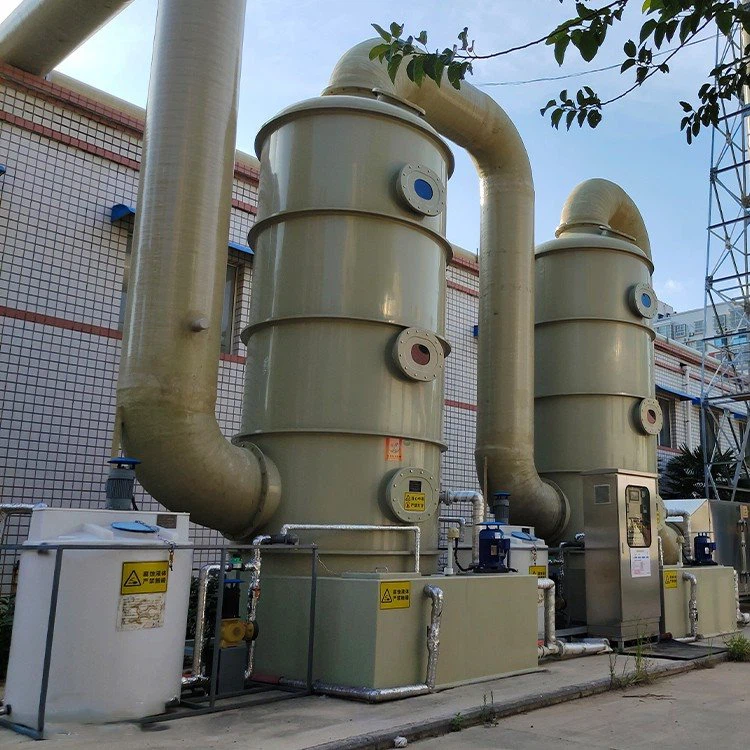

Tower Design
The design of the FRP tower, including its shape, dimensions, and wall thickness, also impacts its pressure resistance. Towers with a more cylindrical shape are typically better able to withstand internal pressure compared to those with irregular shapes. The wall thickness of the tower is another critical factor; thicker walls can generally withstand higher pressures. However, increasing the wall thickness also adds to the cost and weight of the tower, so a balance must be struck between pressure resistance and cost-effectiveness.
Operating Conditions
The operating conditions under which the FRP tower will be used can significantly affect its pressure resistance. Factors such as temperature, chemical exposure, and the presence of external loads (e.g., wind, seismic forces) can all impact the structural integrity of the tower. For instance, high temperatures can reduce the mechanical properties of the FRP material, making it more susceptible to deformation under pressure. Similarly, exposure to corrosive chemicals can degrade the resin matrix and weaken the fiber reinforcement, reducing the overall pressure resistance of the tower.
Testing and Certification
To ensure the pressure resistance of an FRP tower, rigorous testing and certification procedures are typically carried out. These tests are designed to simulate the actual operating conditions and verify that the tower meets the required safety standards.
Hydrostatic Testing
Hydrostatic testing is one of the most common methods used to test the pressure resistance of FRP towers. In this test, the tower is filled with water and pressurized to a specified level for a certain period of time. The tower is then inspected for any signs of leakage, deformation, or damage. Hydrostatic testing can help identify any potential weaknesses in the tower's structure and ensure that it can safely withstand the expected operating pressures.
Non - Destructive Testing
Non - destructive testing techniques, such as ultrasonic testing, X - ray testing, and acoustic emission testing, can also be used to evaluate the internal structure and integrity of the FRP tower. These methods can detect defects, such as cracks or delamination, without causing damage to the tower. By identifying these defects early, appropriate measures can be taken to repair or reinforce the tower, ensuring its long - term pressure resistance.
Certification
Many countries and industries have established standards and regulations for the design, manufacturing, and testing of FRP towers. Obtaining certification from recognized organizations, such as the American Society of Mechanical Engineers (ASME) or the International Organization for Standardization (ISO), can provide assurance that the tower meets the required safety and performance standards. Certification also helps build trust with customers and demonstrates the supplier's commitment to quality and safety.
Applications and Pressure Requirements
FRP towers are used in a wide range of applications, each with its own specific pressure requirements.
Chemical Processing
In chemical processing plants, FRP towers are often used for distillation, absorption, and reaction processes. These towers may need to withstand high internal pressures, depending on the nature of the chemical reactions and the operating conditions. For example, in a distillation tower, the pressure may vary depending on the temperature and the type of chemicals being processed. The pressure resistance of the FRP tower must be carefully designed to ensure safe and efficient operation.
Water Treatment
In water treatment facilities, FRP towers are commonly used for filtration, disinfection, and aeration processes. These towers typically operate at relatively low pressures compared to chemical processing towers. However, they still need to be able to withstand the pressure generated by the flow of water and any backpressure from the treatment equipment. For example, in a water filtration tower, the pressure may be influenced by the flow rate of the water and the resistance of the filter media.
Odor Control
FRP towers are also widely used in odor control systems, such as Spray Tower, FRP Odour Control Covers, and Biofilter. In these applications, the towers are used to treat and remove odorous gases from industrial processes or wastewater treatment facilities. The pressure resistance of the FRP tower in odor control applications is typically determined by the airflow rate and the pressure drop across the treatment media. For example, in a biofilter tower, the pressure drop may be affected by the type and thickness of the biofilter media, as well as the flow rate of the odorous gas.
Ensuring Long - Term Pressure Resistance
To ensure the long - term pressure resistance of an FRP tower, proper installation, maintenance, and monitoring are essential.
Installation
During the installation process, it is important to ensure that the tower is properly supported and aligned. Any misalignment or improper support can create stress concentrations in the tower, which can reduce its pressure resistance over time. Additionally, the connections between the tower and other components (e.g., pipes, valves) should be properly sealed to prevent leakage and ensure the integrity of the pressure vessel.
Maintenance
Regular maintenance is crucial for maintaining the pressure resistance of an FRP tower. This includes inspecting the tower for any signs of damage, such as cracks, delamination, or corrosion, and taking appropriate measures to repair or replace damaged components. It is also important to clean the tower regularly to prevent the buildup of debris and contaminants, which can affect its performance and pressure resistance.
Monitoring
Continuous monitoring of the operating conditions of the FRP tower, such as pressure, temperature, and flow rate, can help detect any potential problems early. By using sensors and monitoring systems, operators can track the performance of the tower and take corrective action if necessary. For example, if the pressure in the tower exceeds the designed limit, the operator can adjust the operating conditions or shut down the system to prevent damage to the tower.
Contact for Procurement
If you are in the market for an FRP tower and have specific pressure resistance requirements, I encourage you to contact us. Our team of experts can work with you to design and manufacture an FRP tower that meets your exact needs. We have extensive experience in supplying high - quality FRP towers for a variety of applications, and we are committed to providing excellent customer service and support. Whether you need a tower for chemical processing, water treatment, or odor control, we can help you find the right solution.
References
- ASME Boiler and Pressure Vessel Code, Section X: Fiber - Reinforced Plastic Pressure Vessels.
- ISO 14692: Petroleum and natural gas industries - Glass - reinforced plastics (GRP) piping.
- Fiberglass Reinforced Plastic Handbook, edited by John W. Weeton, Donald M. Peters, and Kenneth L. Thomas.