

Fiberglass Reinforced Plastic (FRP) pipes-also known as Glass Reinforced Plastic (GRP) pipes-are becoming a preferred choice in global infrastructure due to their corrosion resistance, long service life, and adaptability to harsh environments. As wastewater treatment, chemical processing, and municipal engineering continue to evolve, FRP/GRP pipes are increasingly recognized as a reliable, cost-effective replacement for traditional steel and concrete pipelines.
FRP/GRP pipes are manufactured through a filament-winding process, during which glass fiber rovings are impregnated with high-performance resin and wound layer by layer onto a rotating mandrel. This process creates a strong composite structure with excellent mechanical strength, low weight, and high durability. Unlike metal pipes, GRP pipes do not rust or scale, making them highly suitable for corrosive applications such as sewage transportation, acidic and alkaline waste, and industrial effluent handling.
In wastewater treatment plants (WWTP), FRP/GRP pipelines are widely used for underground sewage networks, above-ground odor control ducting, and process pipelines for sludge, chemical dosing, and gas transportation. Their leak-resistant structure and smooth internal surface help reduce pressure loss and prevent contamination. For odor control systems in particular, FRP/GRP pipes are essential due to their ability to withstand hydrogen sulfide, ammonia, and other corrosive gases typically found in wastewater facilities.
Municipal engineering also benefits significantly from GRP pipe systems. When installed underground, these pipes offer excellent structural integrity without requiring heavy machinery for handling. Their lightweight nature reduces installation time and labor costs while minimizing traffic disruption during civil construction. In coastal cities and desert regions where soil or groundwater corrosion is a challenge, FRP pipes provide a long-term solution with minimal maintenance requirements.
Above-ground pipelines for air pollution control and waste gas handling also rely heavily on FRP materials. In systems such as spray towers, scrubbers, and biofilters, GRP pipes transport corrosive gases safely from one treatment stage to the next. Their non-conductive and thermal-stable properties ensure consistent performance even in extreme operating conditions.
Another advantage of GRP pipes is their high degree of customization. Diameter, wall thickness, pressure rating, color, and resin type (including vinyl ester for severe corrosion) can all be tailored based on project requirements. This flexibility allows engineers to design systems that are both efficient and cost-effective.
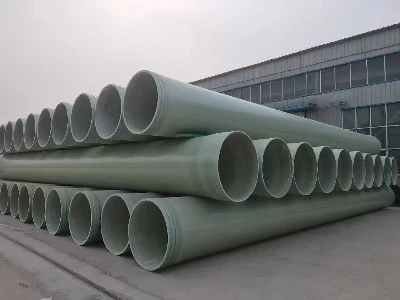
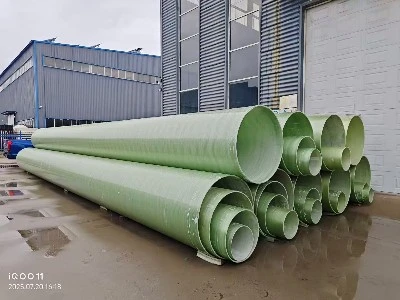
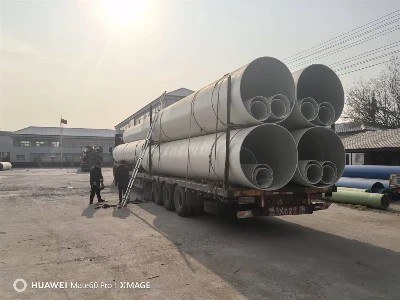
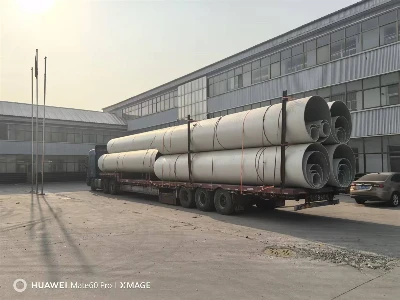
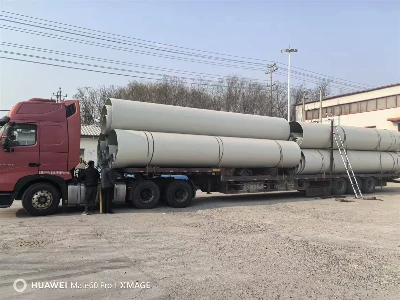
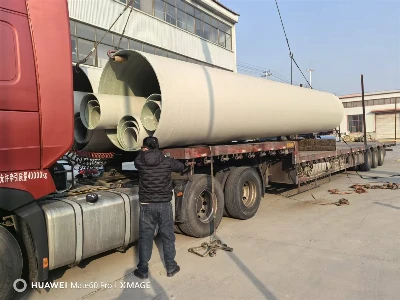
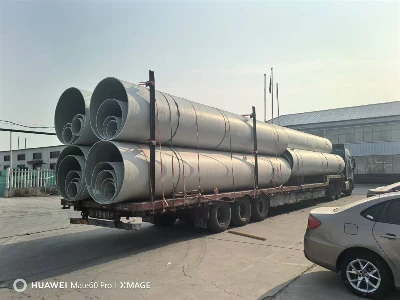
As global industries prioritize sustainability and long service life, FRP/GRP pipes continue to stand out as a dependable solution across wastewater treatment, municipal drainage, industrial exhaust, desalination plants, chemical factories, and agricultural irrigation systems. With increasing demand worldwide, these pipes play a pivotal role in building safer, cleaner, and more resilient infrastructure.