

Introduction
With the rapid development of urban infrastructure and the growing focus on environmental protection, sewage treatment plants are under increasing pressure to improve efficiency and minimize environmental impact. One of the key challenges faced by wastewater facilities is the control of odor, gas emissions, and safety risks around open sewage pools. Traditional covers made of steel or concrete often face issues such as corrosion, high weight, difficult installation, and high maintenance costs. As an advanced alternative, FRP sewage tank covers have become the preferred solution for modern wastewater treatment projects.
 Product Description
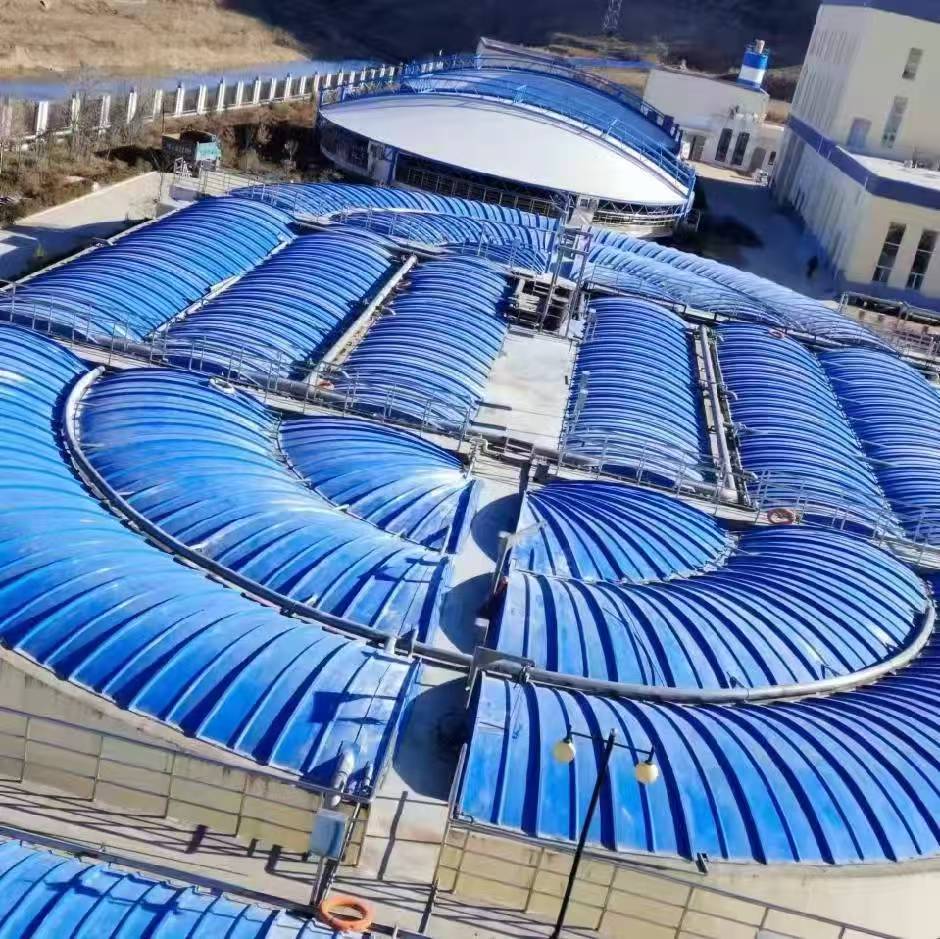
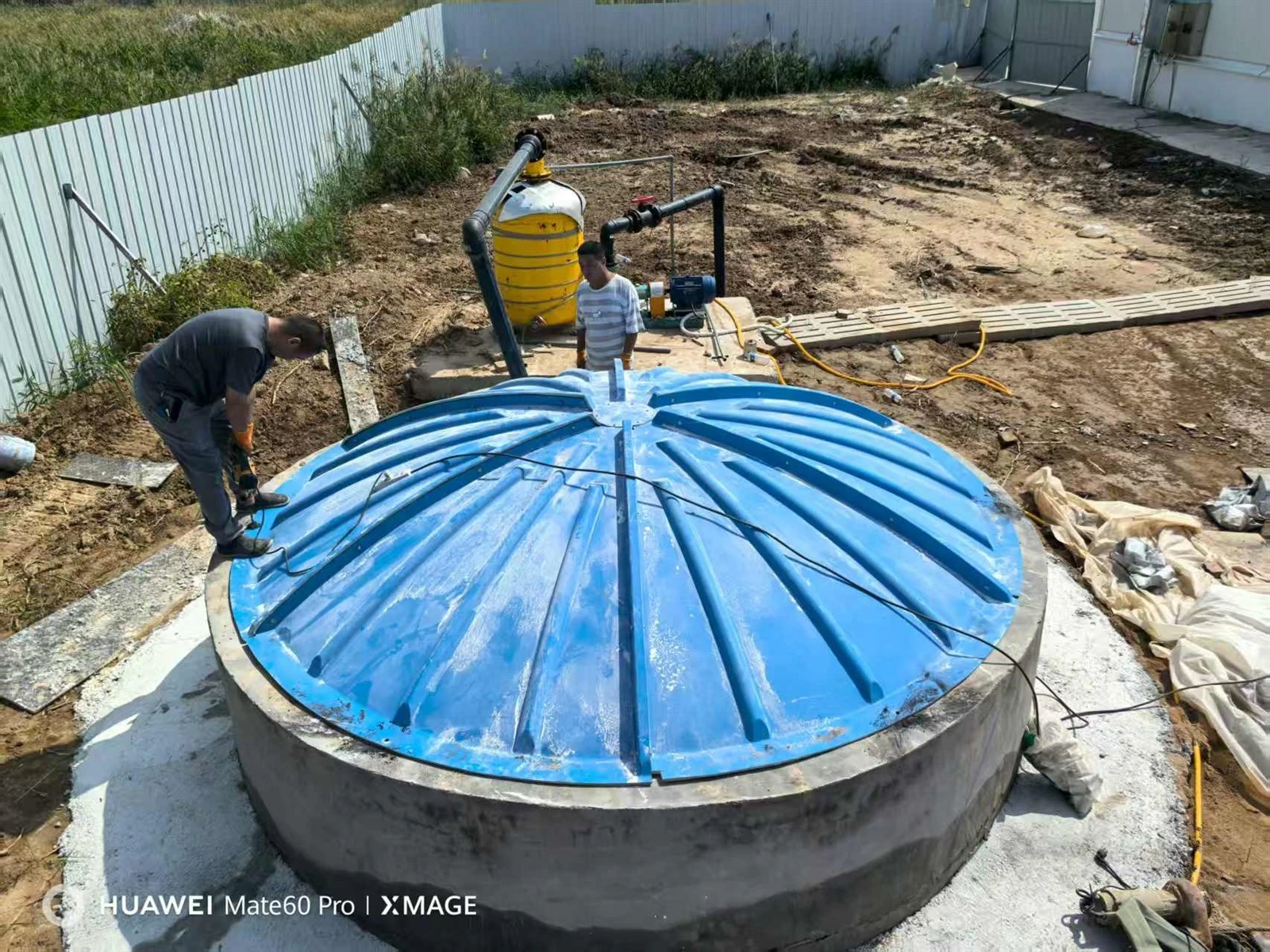
FRP (Fiberglass Reinforced Plastic) tank covers are designed using high-quality resin and fiberglass materials, combined with modern hand lay-up or molding techniques. The most popular design is the arched FRP cover, which provides structural strength while reducing overall weight. The smooth surface, high mechanical strength, and excellent weather resistance make these covers a durable and long-lasting solution. Unlike traditional heavy covers, FRP tank covers are lightweight, easy to transport, and simple to install on-site, reducing both construction time and labor costs.
Advantages Compared to Traditional Materials
One of the biggest advantages of FRP tank covers is their outstanding corrosion resistance. In sewage treatment plants, where covers are constantly exposed to corrosive gases such as hydrogen sulfide, steel or concrete structures deteriorate rapidly. FRP materials, however, remain unaffected, ensuring long-term performance without frequent replacement. Additionally, FRP covers are non-conductive, enhancing safety in electrical or hazardous environments. Compared with steel, they are much lighter yet maintain high strength, which helps reduce structural loads. Maintenance is minimal, as the smooth gel-coated surface resists staining, fading, and microbial growth. This ensures a hygienic and clean environment while lowering long-term operational costs.
Applications
FRP sewage tank covers are widely used in municipal wastewater treatment plants, chemical plants, industrial effluent treatment facilities, and environmental engineering projects. They are suitable for covering sedimentation tanks, aeration tanks, thickener tanks, sludge storage pools, and chemical reaction basins. Beyond odor control, they also provide safety by preventing accidental falls, protecting workers, and ensuring compliance with environmental regulations. In addition, FRP covers can be customized for transparent or semi-transparent options, allowing natural light into the tank and reducing energy costs for lighting.
 Customization Options
At Hebei Leihong Fiberglass Technology Co., Ltd., we provide tailor-made FRP cover solutions to meet the unique requirements of each project. Customers can choose from different designs, including arched covers, flat panels, or modular structures. Sizes, thicknesses, and colors can all be customized to ensure seamless integration with existing facilities. Our advanced production capacity ensures high precision, reliable quality, and fast delivery to projects worldwide.
Durability and Maintenance
FRP covers provide an extended service life of over 20 years under normal operating conditions, with minimal maintenance requirements. Unlike concrete or steel, they do not require frequent repainting, anti-rust treatment, or structural reinforcement. Their lightweight yet durable nature makes them a cost-effective long-term investment, significantly reducing both direct maintenance expenses and indirect downtime losses.
Conclusion
As cities and industries move toward sustainable development, the adoption of advanced materials such as FRP has become a necessity. FRP sewage tank covers combine durability, corrosion resistance, and safety with design flexibility and cost savings. They represent a smarter and more efficient solution for modern wastewater treatment facilities. At Hebei Leihong, we are committed to delivering world-class FRP products to support global environmental protection and infrastructure development.