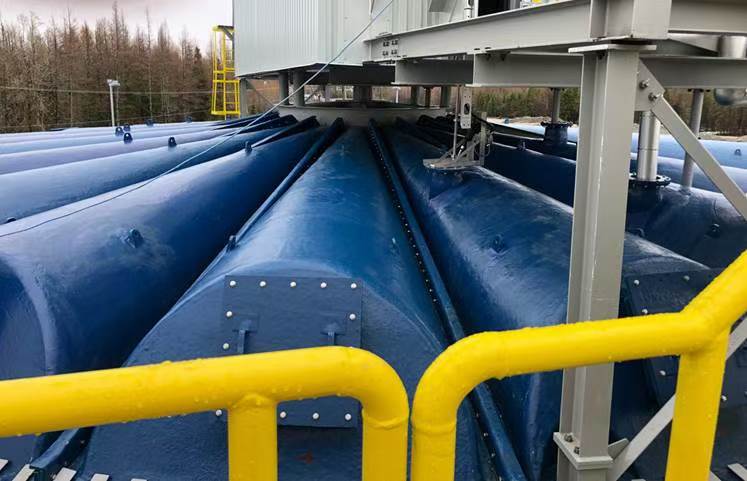
In the industrial sector, thickener equipment is crucial for separating and concentrating slurries in processes such as mining, wastewater treatment, and chemical processing. The choice of material for covers on these machines plays a significant role in their performance and longevity. Fiberglass has emerged as the material of choice for these covers due to its unique properties and advantages.
1. Superior Corrosion Resistance
Fiberglass exhibits exceptional resistance to corrosive substances, including chemicals and acids. This property is particularly beneficial in environments where thickener equipment is exposed to harsh chemicals and aggressive slurries. Unlike metals, fiberglass does not corrode or degrade over time, ensuring the cover remains functional and protective for extended periods.
2. Durability and Longevity
The durability of fiberglass makes it a preferred material for thickener equipment covers. It withstands physical impacts and mechanical stress better than many other materials. This resilience reduces the frequency of repairs or replacements, ultimately lowering maintenance costs and extending the operational life of the equipment.
3. Lightweight and Easy to Handle
Fiberglass is significantly lighter than metal alternatives, which simplifies the handling and installation of covers. Its lightweight nature reduces the strain on support structures and makes it easier to manage during maintenance tasks. This ease of handling contributes to more efficient and cost-effective operations.
4. Excellent Insulation Properties
Fiberglass provides excellent insulation against temperature fluctuations. This insulation helps in maintaining stable operating conditions within the thickener, which can be critical for process efficiency. Stable temperatures ensure that the thickening process operates within optimal parameters, improving overall performance.
5. Cost-Effectiveness
While the initial investment in fiberglass covers might be higher than some other materials, the long-term cost benefits are substantial. The reduced need for maintenance, combined with the extended lifespan and durability, results in lower overall operational costs.
6. Low Maintenance Requirements
Fiberglass covers require minimal maintenance compared to metal covers, which can suffer from rust, corrosion, and other issues. This low maintenance requirement translates into less downtime and fewer disruptions in the thickening process.
Fiberglass covers are an excellent choice for thickener equipment due to their superior corrosion resistance, durability, lightweight nature, insulation properties, and cost-effectiveness. By opting for fiberglass, industries can enhance the performance and longevity of their thickening equipment, ensuring reliable and efficient operations in demanding environments.